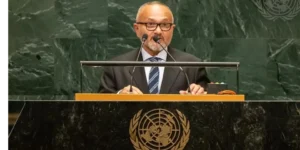





The conference comes at the back of African Union (AU) resolutions earlier in 2025, which acknowledged slavery and colonialism as genocides and crimes against humanity.
The Algiers conference epitomizes this movement, in many ways an articulation of a calculated historical truth: that these colonial crimes were not tragic side effects but core mechanisms of a system designed for extraction and control. This is a system that deliberately engineered the political fragility, economic dependency, and social divisions that still haunt many an African nation. Now, equipped with legal frameworks and unified political will, Africa is transitioning from documenting this injury into the much needed lawfu and moral imposition of an accounting.
What Happened in Africa Countries in The Past?
The colonial past didn’t just leave behind land changes. It installed networks driven by force, designed less to rule than to drain resources. What looks like history often carries weight of harm still echoing.
Take German South-West Africa, now known as Namibia. Between 1904 and 1908, German troops aimed to wipe out the Herero and Nama populations by force. People were pushed, without supplies, deep into the scorching Kalahari – left to perish from hunger and dehydration. Some were killed outright, others wounded, imprisoned – concentration camps became places where female prisoners endured brutal rape and grueling work under threat.. By the end, an estimated 80% of the Herero and half of the Nama population had been wiped out.
Read more: I’ll Be Back in Jakarta: Stories of Rural Women Who Move to the City
Cruelty ran like a pipeline under French rule, 132 long years in Algeria. Control came not from kindness but from horror: broken bodies, vanished souls, blood-soaked towns, people sent far without belongings. The war for independence alone (1954-1962) cost an estimated 1.5 million Algerian lives. Meanwhile, in British Kenya, the state-sanctioned torture, sexual violence, and executions within the detention camp network during the Mau Mau uprising were a matter of official policy.
Still, the colonial setup leaned on something beyond just brute force. Driven by clever financial exploitation, it thrived on stolen wealth. Gold, rubber, diamonds, these were pulled from people hands using harsh tactics. Profits piled up high among European elites. Meanwhile, nearby populations lost what little they had. The size of this grab? Now measured in countless trillions. These outcomes were meant to happen. Not by chance. Political chaos, borders drawn at random still sparking wars, these exist on purpose.
Africans Uniting for the Call for Reparations
One of way to know African countries is very serious to demand accountability is that the whole process began in the African Union, which has declared 2025 the theme of “Justice for Africans and Peoples of African Descent through Reparations,” thus changing moral appeals into a structured, continental agenda. Among other things, this include an AU Secretariat for Reparations and a Committee of Legal Experts to guide claims.
Algeria is leading the charge in translating this agenda into law. It recently passed a bill that formally declares French colonialism a “crime, ” and calls for both an apology and reparations. This marks a vital shift: instead of seeking goodwill, they are now creating a legal and political case for reparative justice that cannot be challenged. The demand is not made as a “gift or a favour, ” but as a right.
Read more: Why Period Poverty Is a Social Justice Issue
In response, former colonial powers have responded in a tactical manner, offering carefully worded gestures that are aimed at not admitting legal liability. France, for instance, engages in a selective “process of acknowledgment’’, returning some archives and organizing commemorations while at the same time, explicitly ruling out any formal “repentance or apologies.” Similarly, Germany agreed to hand over €1.1 billion to Nimbia over 30 years for the Herero-Nama genocide, howver, it carefully desribed the money as “development aid” and a “gesture of reconciliation.” The words “reparations” or “compensation” were conspicuously absent from the agreement, a deliberate tactic to avoid setting a legal precedent.
A genuine partnership with a sovereign, growing Africa depends on addressing the call for restorative justice. At its core, the demand for reparations is power renegotiation. It raises questions about who decides the value of a continent’s resources, sets the terms of interaction with the world, and controls the flow of capital. This issue goes beyond correcting past wrongs, it involves making crucial investments in a fair and independent future.
(Editor: Luviana Ariyanti)